

6 Powerful Features of CAD Design Software That Transform Your Workflow
Why CAD Design Software Is Essential for Modern Design
CAD Design Software has evolved far beyond simple drafting tools. Today, it’s a powerful, all-in-one solution that enables engineers, designers, and manufacturers to create, visualize, and refine projects with unmatched precision. Whether you're designing complex components or organizing tooling systems, CAD Design Software plays a critical role in improving efficiency, accuracy, and collaboration.
Modern platforms are built not just for design—but for smarter workflows, faster decision-making, and better outcomes. Let’s explore the key features that make CAD Design Software an essential tool for today’s businesses.
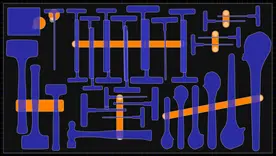
Seamless Collaboration and Real-Time Sharing
One of the most impactful advancements in CAD Design Software is cloud-based collaboration. Teams can now work together in real time, regardless of location.
This means:
- Multiple users can edit and review designs simultaneously
- Feedback is instant and easy to implement
- Version control ensures everyone is working on the latest file
Some platforms, like OSAAP’s system, even include web portals where users can collaborate directly with designers—streamlining communication and reducing project delays.
Advanced 3D Visualization and Rendering
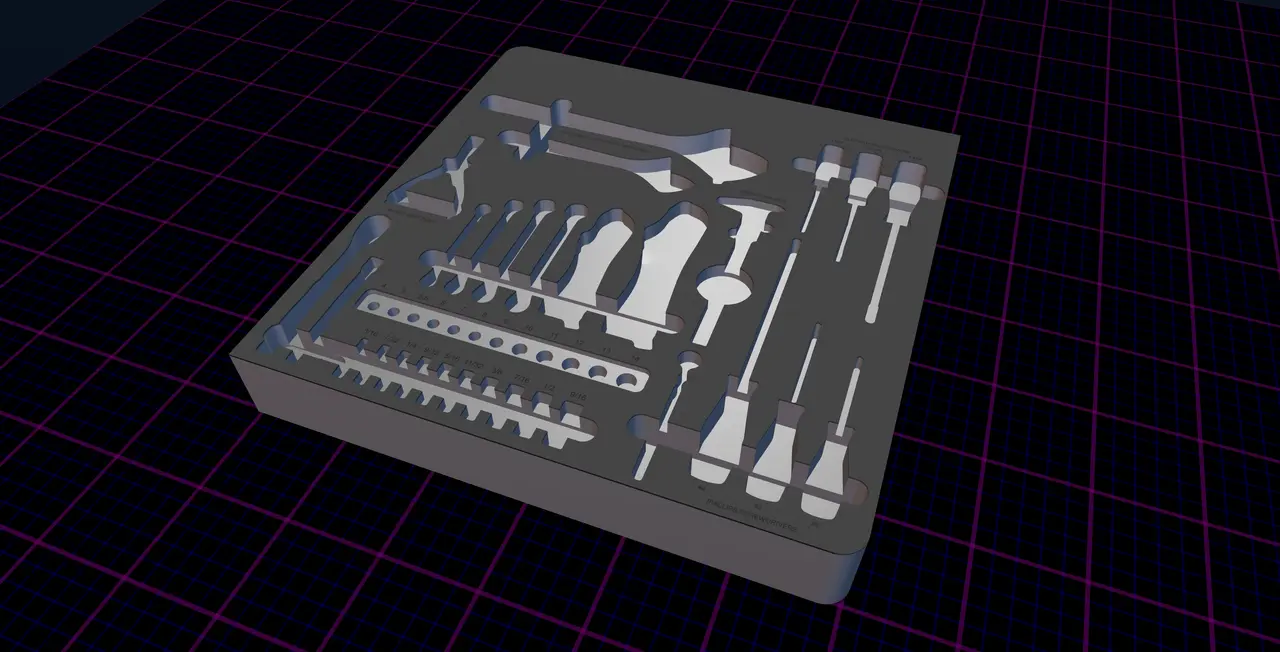
Modern CAD Design Software offers high-quality 3D rendering that brings designs to life before production begins.
With these capabilities, users can:
- Visualize depth, dimensions, and layout accurately
- Identify potential design flaws early
- Present realistic previews to stakeholders
Tools like OSAAP’s Blue Shadow allow users to see detailed cutouts and layouts in 3D, providing a clear understanding of the final product before manufacturing even starts.
Intuitive and User-Friendly Interfaces
Today’s CAD Design Software is designed with usability in mind. Intuitive interfaces make it easier for both beginners and experienced users to navigate complex tools.
Key benefits include:
- Drag-and-drop functionality
- Easy object manipulation (rotate, align, resize)
- Customizable toolbars and layouts
These features reduce the learning curve and allow users to focus more on creativity and design rather than technical complexity.
Cross-Platform Accessibility and Mobile Integration
Flexibility is another major advantage of CAD Design Software. Many platforms now support access across multiple devices, including desktops, tablets, and mobile apps.
While full design capabilities may remain on desktop, mobile integration allows users to:
- Track project progress
- Review updates and feedback
- Stay connected to their team
This ensures that projects continue moving forward, even when you're away from your workstation.
Extensive Libraries and Pre-Built Components
CAD Design Software often includes large libraries of pre-designed elements, helping users speed up the design process.
For example:
- Thousands of tool files can be imported instantly
- Components can be dragged and dropped into designs
- Specific part numbers can be searched and integrated quickly
This reduces manual work and ensures consistency across projects, making workflows significantly more efficient.
Precision Measurement and Analysis Tools
Accuracy is critical in any design process, and CAD Design Software delivers advanced tools to ensure every detail is correct.
These tools allow users to:
- Perform exact measurements
- Validate design specifications
- Run analysis checks before production
Features like built-in design verification help ensure that projects are ready for manufacturing, reducing costly errors and rework.
Final Thoughts: The Power of CAD Design Software
CAD Design Software is no longer just a design tool—it’s a complete productivity solution. From real-time collaboration to precision analysis, it empowers businesses to work smarter, reduce errors, and deliver higher-quality results.
If your workflow depends on accuracy, efficiency, and innovation, investing in the right CAD Design Software isn’t optional—it’s essential.
By leveraging these advanced features, businesses can streamline operations, improve design quality, and stay competitive in an increasingly digital world.